



Useful information
Where and When Wardrobe Lifts Make Sense (A Practical Guide for Wardrobe Brands and Importers)
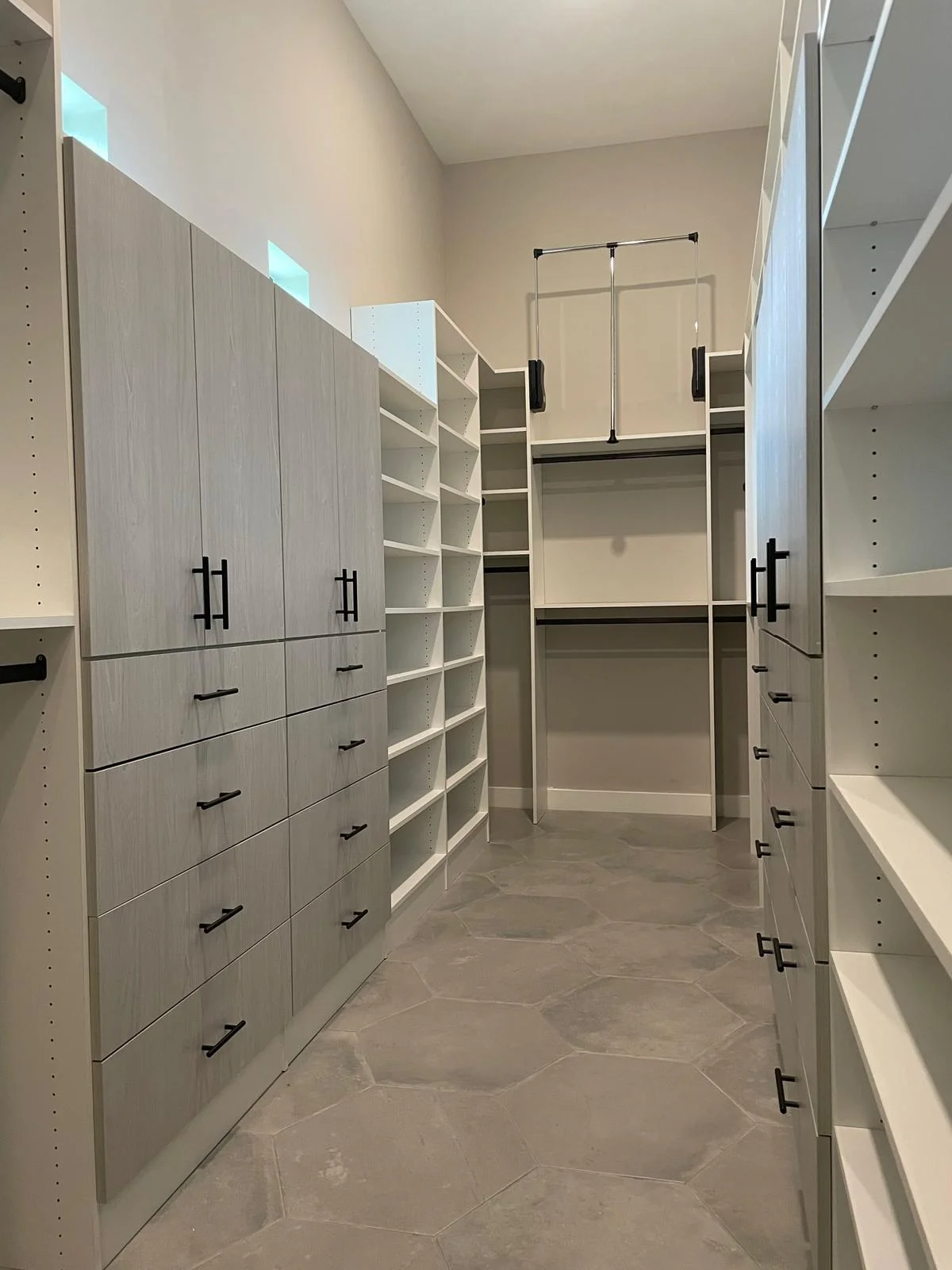
The Purpose of a Wardrobe Lift (and What It Is Not Designed For)
A wardrobe lift is mainly used to help people reach clothes stored at a high level. It lowers those clothes to an easily accessible height.
It is very important to understand what a wardrobe lift is not used for.
A wardrobe lift is not used for:
– Creating extra storage space
– Replacing standard hanging rails for clothes
– Fixing poorly designed wardrobes
Instead, a wardrobe lift makes better use of upper space. When used correctly, it is more about improving accessibility rather than increasing storage capacity.
Why Wardrobe Lifts Are Not for Everyone
In some places, wardrobe lifts are considered a “feature.” However, in reality, how well they work and how satisfied the user is depends on the situation.
Main factors to consider:
– Wardrobe height and internal layout
– How often people use it daily
– User behavior and habits
– Type of project (simple or premium)
If these factors are not considered, the result may be a product that works but does not satisfy the user. That is why good brands do not include wardrobe lifts in all their products.
Projects Where Wardrobe Lifts Really Make a Difference
Wardrobe lifts are most useful when they solve a real problem. In such cases, they improve usability, enhance product quality perception, and make better use of upper space.
Below are examples of suitable situations from both user and brand perspectives.
Tall Wardrobes with Unused Upper Space
In tall wardrobes, the upper space is often not used properly. Without a wardrobe lift, this area is either left empty or used for rarely accessed items.
A wardrobe lift makes this space usable again. The main advantage here is not extra space, but easy access to it.
Common use cases:
– tall wardrobes (around 2400 mm and above)
– custom-made wardrobes
– rooms with very high ceilings
In these cases, wardrobe lifts allow brands to create taller but still user-friendly wardrobes.
Areas for Rarely Used Items
Wardrobe lifts are ideal for clothes that are not worn daily. This includes coats, jackets, suits, and formal wear.
Since these items are not accessed frequently, the lift operates in a controlled way, which helps increase its durability and improves user satisfaction.
From a brand perspective, this reduces the risk of misuse and clearly demonstrates the product’s value.
Design and Premium Projects
In high-end wardrobe systems, wardrobe lifts play both a functional and aesthetic role.
They are commonly used in:
– walk-in closets
– showroom displays
– premium modular systems
In these projects, the wardrobe lift becomes part of the overall design. It is easy for sales teams to demonstrate its working principle, and customers can understand it easily, making it a valuable feature.
When a Wardrobe Lift Is Not the Best Choice
Wardrobes That Are Already Easily Accessible
If users can already reach clothes without difficulty, a standard hanging rail may be sufficient.
In such cases, a wardrobe lift may add extra cost and complexity without making a significant difference.
High-Use and Demanding Environments
Wardrobe lifts are not designed for places where many different people use the same system in different ways.
Rental apartments, shared living spaces, and short-term rentals may involve inconsistent usage behavior.
In these situations, simpler solutions are often better to avoid problems.
Price-Focused Projects Only
When cost is the only priority, wardrobe lifts are sometimes added without clear purpose.
This can create wrong expectations for users and lead to misunderstanding of how the product works.
The issue is not product quality, but incorrect application.
What Matters More Than Technical Specifications
Although technical details are important, real-world results are more influenced by how the product is used.
Main factors:
– how often the lift is used
– how clothes are arranged on the rail
– how well the mechanism is maintained
– how long the product is expected to last in the project
Looking at wardrobe lifts in context of use helps brands reduce risks and improve customer satisfaction.
How Wardrobe Brands Choose Wardrobe Lifts
Well-structured wardrobe brands do not automatically include wardrobe lifts in all products. They decide based on product type, wardrobe design, and customer profile.
Usage Based on Wardrobe Structure
Many brands use wardrobe lifts only in tall wardrobes. If the hanging area is already easily accessible, a fixed rail is enough.
This approach reduces unnecessary complexity and ensures the lift is used only where it provides real benefit.
Offering It as an Optional Feature
Another approach is to present wardrobe lifts as an optional add-on.
This allows brands to:
– keep product prices lower
– create extra value for customers who need it
– prevent misuse in unsuitable projects
It also makes it easier for sales teams to communicate with customers.
Use Only in Premium Collections
Many brands include wardrobe lifts only in high-end product lines. In this segment, customers better understand functional solutions and use them correctly.
This approach reduces long-term service issues and increases customer satisfaction.
Practical Implications for Importers and Product Managers
For importers and product managers, choosing a wardrobe lift should be based on real usage scenarios, not just technical specifications.
Important points:
– wardrobe lifts work only in selected cases, not all products
– usage context is more important than technical details
– correct positioning manages customer expectations
– proper use reduces long-term service risks
Before adding a wardrobe lift to a product, these questions should be asked:
– who will use this function?
– how often will it be used?
– does the wardrobe design really need it?
– does the target market understand its purpose?
Answering these questions in advance helps brands make better decisions.
The Importance of Working with an Experienced Manufacturer
Choosing a wardrobe lift is not just about selecting a product, but also about working with a manufacturer that understands real usage.
At Tutti, we develop wardrobe lifts based on testing, manufacturing experience, and cooperation with international brands.
Our goal is not only to provide a product, but also to clearly guide how it should be used, so that customers can make decisions based not only on technical specifications but on real usage conditions.