



Useful information
How Soft-Close Hinges Work — and Why It Matters
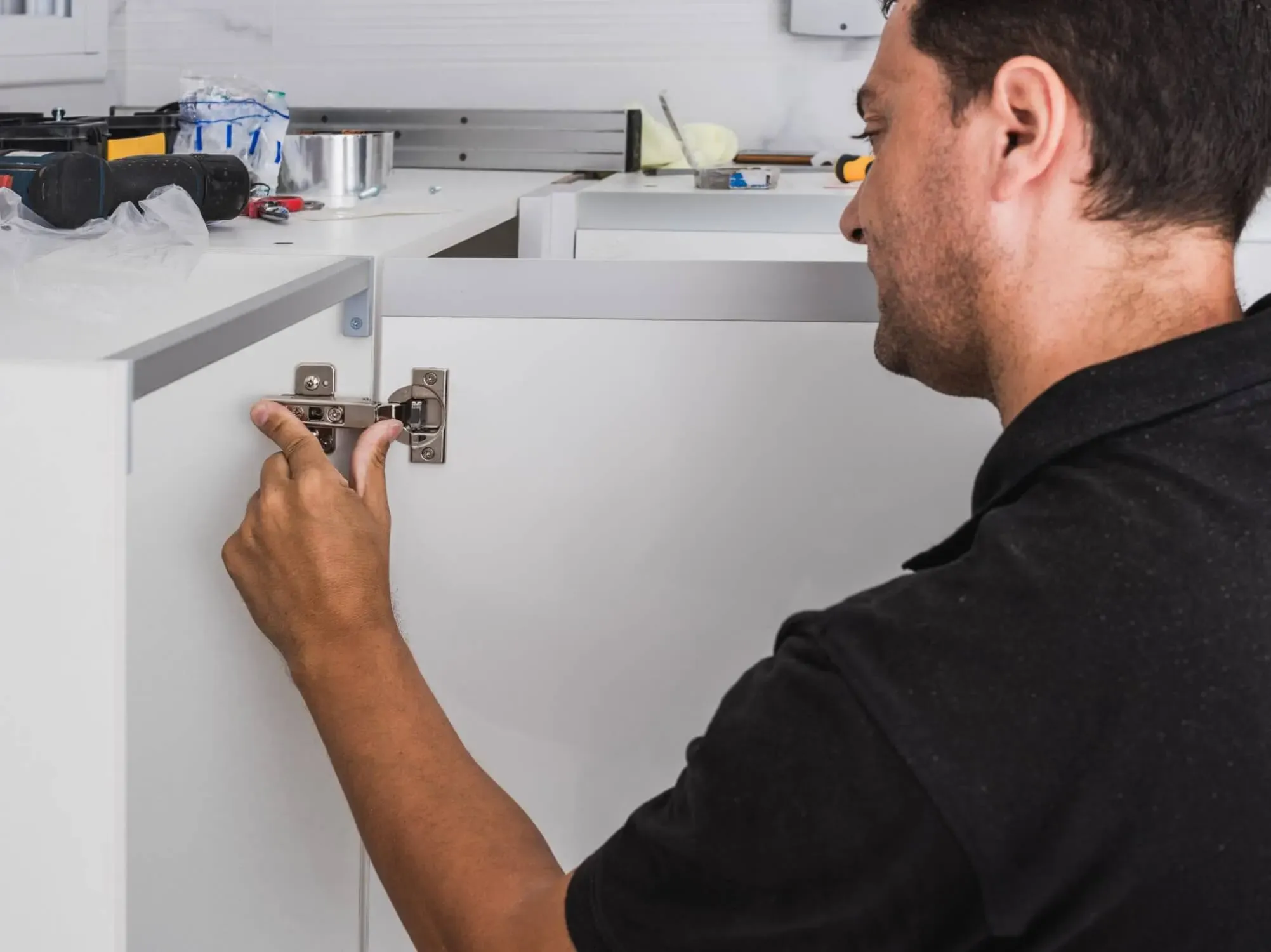
A soft-close hinge turns a slamming cabinet door into a quiet, controlled close. This simple change improves the user experience, protects furniture, and reduces service calls. But do you know how it actually works?
In this blog, Tutti will explain how a soft-close hinge works, the main types you'll encounter, why it matters for manufacturers and homeowners, how to choose the right one, as well as brief troubleshooting and maintenance tips.
What is a soft-close hinge?
A soft-close hinge is a type of hinge with a built-in damper. The damper's primary purpose is to actively and effectively reduce speed during the final stage of a door's or drawer's closing movement, so that it stops gently and silently, eliminating the impact noise found with standard hinges. Standard hinges operate solely through user force or physical stops. A soft-close hinge typically provides damping control over the final 10–20 degrees of closure, ensuring a smooth, silent close.
How does a soft-close hinge work?
Most soft-close hinge systems share the same three-phase behaviour:
– Free movement phase — The door moves with minimal resistance under user force.
– Engagement phase — As the door approaches the cabinet, a cam or catch activates the damper.
– Damping phase — A hydraulic, pneumatic, mechanical, or magnetic element slows the door and provides a controlled stop.
Common damping mechanisms:
– Hydraulic (fluid) dampers: A small piston passes through oil inside a cylinder; the flow of oil through regulated valves controls the speed. Provides quiet and smooth damping.
– Pneumatic dampers: Air passes through ports, creating resistance. Lighter than some hydraulic systems and less sensitive to temperature changes.
– Mechanical (spring + friction) dampers: Based on calibrated friction pads or springs; cheaper, but less precise and more prone to wear.
– Magnetic assistance: Uses magnetic force for light damping or as additional deceleration.
Many high-quality soft-close hinge designs integrate the damper into the hinge arm, so the mechanism is completely concealed and protected from external damage.
Types and variants you will encounter
– Integrated soft-close hinge: The damper is located in the hinge arm or hinge cup — the most commonly used type in modern furniture.
– Retro-fit soft-close device: External dampers added to existing hinges or doors — suitable for upgrading existing furniture.
– Heavy-duty soft-close: Designed for larger or heavier doors, with reinforced components.
– Micro or low-profile soft-close: Ideal for thin doors or narrow frames, used where space is limited.
– Soft-open + soft-close combinations: Can provide both soft opening and closing, used in handleless or push-to-open applications.
Many of these types feature click-on or quick-mount plates that simplify installation and servicing.
Why soft-close hinges matter — advantages
– Improved user experience: Doors close silently and create a premium feel. This feel increases the perceived value of the product.
– Reduced damage: Controlled closing reduces impact on frames, finishes, and edges — especially important in heavily used kitchens and commercial spaces.
– Safety: Slow closing prevents fingers from getting caught and reduces risk for children.
– Lower service costs: Warranty claims related to broken doors, loose hardware, and damaged finishes are reduced.
– Market differentiation: Positioning soft-close as standard can create a sales advantage for furniture brands.
How to choose the right soft-close hinge
Consider these factors:
– Door weight and size: Heavy doors require a larger or multiple dampers.
– Door thickness and design: Thin doors may require micro models; inset and overlay configurations change the geometry.
– Cabinet type: Frameless (Europanel) and framed cabinets require different mounting.
– Cycle life and testing: Cycle count (e.g. 50,000+ cycles) and corrosion testing for humid environments are important.
– Adjustment: 3D adjustment screws (up/down, left/right, in/out) simplify installation.
– Material and finish: Stainless steel or PVD coatings are resistant to corrosion.
– Budget and performance: High-end hydraulic/PVD models are more expensive but offer a longer lifespan and better feel.
Always request samples and test on a real door before mass production.
Installation and practical tips
– Use the correct cup hole size specified by the manufacturer (often 35mm for concealed hinges).
– For tall and heavy doors, use three hinges rather than two.
– During installation, test the damping before final tightening — some systems require minor adjustment.
– Use click systems to speed up mounting and allow easy on-site replacement.
Maintenance and expected lifespan
A quality soft-close hinge can be designed for tens of thousands of cycles. Maintenance mainly consists of regular cleaning and checking the screws. When a damper fails, replacing only the damper is sufficient where possible, rather than the entire hinge. In heavily used commercial environments, inspections at 12–24 month intervals are recommended.
Considerations for bulk buyers
Soft-close hinges add to upfront costs, but the increase in perceived quality, reduction in returns, and lower after-sales expenses often quickly offset this difference. In high-end furniture this can be a price differentiator; in large projects, selecting reliable dampers reduces overall lifecycle costs and warranty risk.