



Useful information
Rotating Shoe Racks vs. Traditional Shoe Storage Systems: Which Saves More Space?
Market Trends and Popularity
Current Trends in Shoe Storage Systems
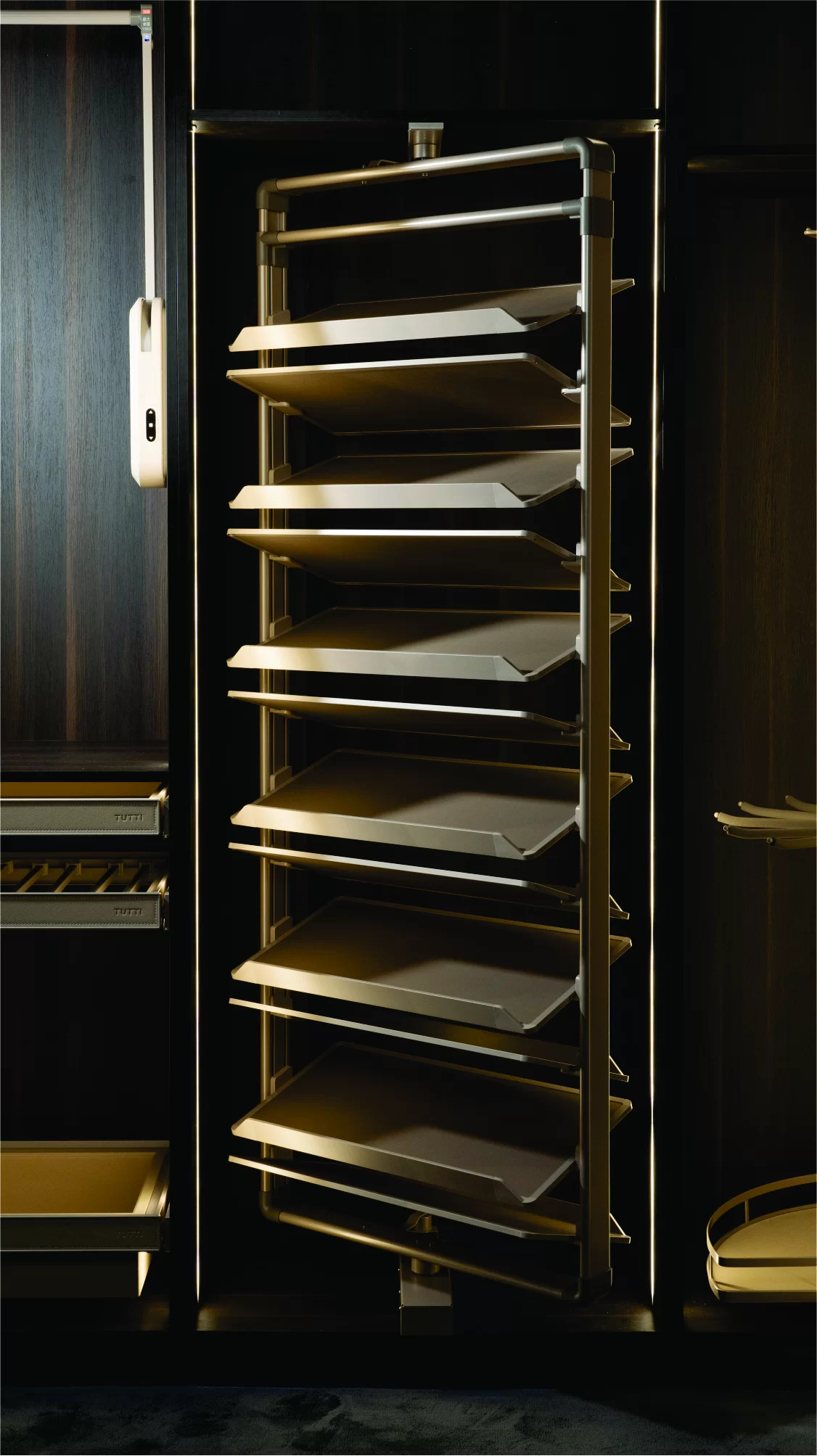
The shoe storage industry has undergone significant change as consumer demand has shifted towards more efficient and aesthetically pleasing solutions. Rotating shoe racks are at the forefront of this development, offering a practical solution that maximises space while providing easy access to footwear. Their 360-degree rotation design is particularly appealing in smaller living spaces such as apartments, where floor space is limited. This sets them apart from traditional horizontal shoe storage methods, which take up more room and offer comparatively limited accessibility.
The growing popularity of rotating shoe racks is also reflected in their increasing presence on e-commerce platforms, where they are frequently highlighted for their space-saving qualities and contemporary look. Retailers report growing consumer interest in customisable options that allow users to adjust the racks to suit their individual needs. This trend towards personalisation aligns with the broader consumer demand for products that combine functionality and style.
Features of Rotating Shoe Racks
- 360-degree rotation — Easy access to all pairs of shoes
- Vertical design — Maximises space efficiency
- Adjustable tiers — Accommodates shoes of different sizes
- Non-slip surfaces — Ensures safe shoe storage
- Customisable finishes — Suits any home décor style
With features such as adjustable levels and anti-slip surfaces, rotating shoe racks are designed to meet a wide range of consumer needs. These features enhance the racks' functionality and ensure that different types of footwear can be stored safely. The vertical design is particularly effective for space optimisation, which is a key priority in modern homes. Additionally, the ability to customise finishes allows these racks to integrate seamlessly with various interior styles, further boosting their appeal.
Consumer Preferences
Consumer preferences in the shoe storage market have increasingly shifted towards solutions that offer both efficiency and aesthetic appeal. Rotating shoe racks are gaining favour because they provide compact organisation while maintaining easy access to footwear. Market research suggests that as the minimalist home organisation trend continues, demand for these racks will keep growing.
Durability and ease of installation are key factors influencing consumer decisions. Many users express concern about the longevity and assembly difficulty of rotating shoe racks, which is why manufacturers have begun prioritising sturdier materials and clearer instructions. This approach has led to products that meet functional requirements while also delivering a comfortable user experience.
- Increases space efficiency
- Improves home organisation
- Combines functionality and style
- Offers customisable options
- Provides easily accessible storage solutions
The integration of rotating shoe racks into contemporary home décor is a testament to their growing popularity. Consumers are increasingly drawn to products that offer both aesthetic flexibility and practical benefits. As the shoe storage market continues to evolve, rotating shoe racks are becoming a key feature in homes looking to balance space-saving with functionality.
Industry experts predict that the rotating shoe rack market will continue to expand, driven by its appeal as a compact and efficient storage solution. As demand for functional home organisation products grows, rotating shoe racks will remain a popular choice for consumers looking to optimise their living spaces.
Comparative Analysis with Traditional Shoe Storage
When comparing rotating shoe racks with traditional storage methods, several advantages become apparent. Traditional solutions such as shelf systems or shoe cabinets typically require more floor space and are less flexible when it comes to adapting to changing needs. Rotating shoe racks, by contrast, offer a dynamic storage approach, giving users access to their footwear without bending down or making awkward movements.
Consider, for example, a family living in a compact city apartment where limited space calls for creative storage solutions. A rotating shoe rack can be placed in a narrow entryway, making use of vertical space rather than taking up floor area, and freeing up room for other furniture and movement. A traditional shoe cabinet, on the other hand, may occupy a larger footprint and restrict how the space is used.
Rotating shoe racks can also adapt to seasonal changes. Thick winter boots can be accommodated comfortably during the colder months, while sandals remain easy to access in summer. This kind of flexibility is generally not possible with fixed shelving systems, which are more limited in their ability to accommodate different shoe sizes and types.
These practical advantages, combined with their aesthetic appeal, make rotating shoe racks an attractive choice for users who prioritise both style and functionality. As consumers increasingly favour minimalist and efficient living spaces, rotating shoe racks are moving towards becoming a key component of modern shoe storage solutions.
Practical Application in Modern Home Environments
In contemporary living environments, optimising space is an ever-present challenge. Rotating shoe racks have emerged as a solution that combines functionality with style. While traditional shoe storage systems expand horizontally, these innovative designs make use of vertical space — a premium in modern homes.
Models such as 360-degree shoe racks or carousel-style shoe racks make footwear easily accessible without the need to shuffle through rows of shoes. This not only improves organisation but also reduces clutter — a problem frequently encountered with traditional storage methods. In small apartments or narrow entryways, these racks can serve as both a practical and an aesthetic solution.
That said, one common concern with rotating shoe racks is stability when overloaded. Users are advised to respect the manufacturer's weight limits to preserve structural integrity — something that is less of a critical issue with traditional shelving. Nevertheless, many users find that the convenient accessibility and neat organisation these systems provide more than outweigh any minor drawbacks.